
From wet steam to a superhot and sustainable future
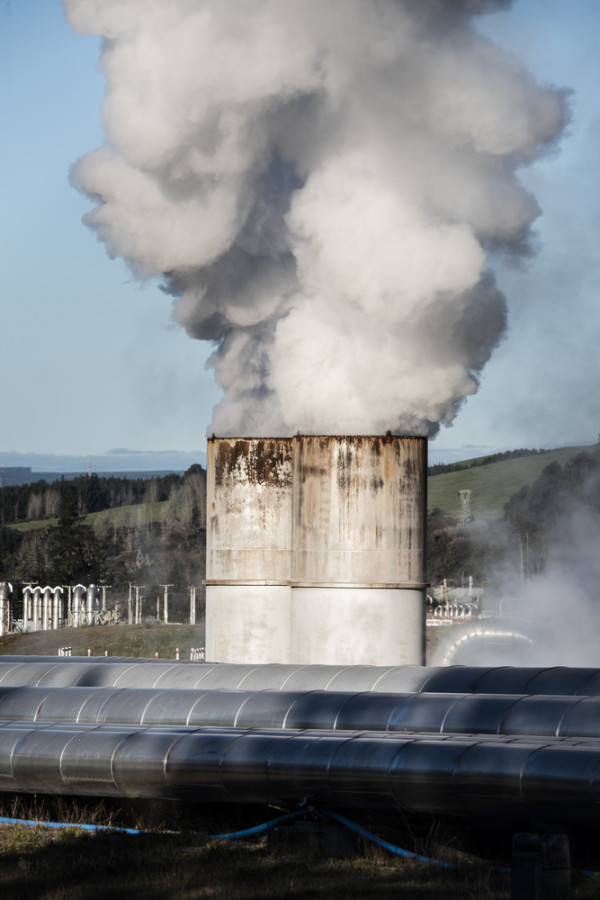
Wairakei: the world's second geothermal power plant. Photo: Earth Sciences NZ.
The opening of Wairakei Power Station in 1958 marked a turning point in how the world uses energy. It was the world’s second geothermal power station and the first to successfully generate electricity from a water-dominated system. By proving that “wet steam” could reliably produce electricity, New Zealand scientists unlocked the global potential of geothermal energy.
The achievement was supported by researchers from the predecessors of Earth Sciences New Zealand. Their work revealed how heat, fluids and fractured rock interact deep within the Taupō Volcanic Zone. This enabled safer drilling, efficient steam separation and long-term geothermal field management.
New Zealand has since continued to pioneer geothermal science and sustainable management approaches that have been applied internationally across many decades. New Zealand scientists, and their innovations, have also directly supported some of the largest geothermal developments around the world such as in Indonesia and the Philippines.
Today, Wairakei still operating nearly 70 years later and is one of 17 geothermal stations in New Zealand. Together they generate around 22 percent of New Zealand’s electricity. Over the decades, our geothermal sector has supported our industries, regional jobs, and international relations for decades.
Wairakei’s legacy and impact will continue into the future for New Zealand and overseas. Researchers at Earth Sciences New Zealand are playing a global lead in advancing geothermal science, experimental technologies, carbon reinjection methods and next-generation superhot geothermal research.
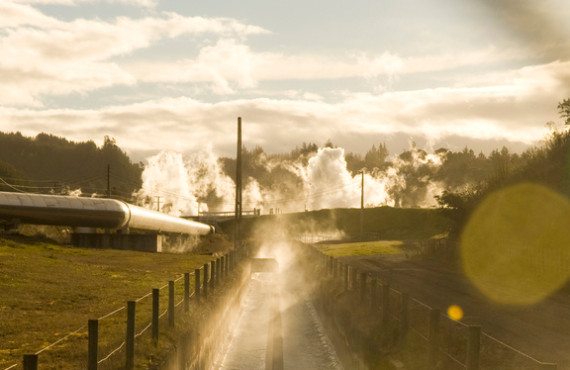
Geothermal Energy
Geothermal energy comes from the Earth’s core and is a natural, abundant and renewable energy source.
Find out more
Celebrating 100 years of science
Learn more about how science is making a real difference for New Zealand.
Go to Science New Zealand website