
Flooding, Extreme Weather and Space Hazards
The goal of the Flooding, Extreme Weather and Space Hazards Flagship is to better understand, predict and communicate flooding, extreme weather and space hazards and their impacts, costs and risks for a safer and more economically resilient New Zealand and Pacific.
Flooding and extreme weather events are increasing in frequency and intensity, creating widespread impacts across infrastructure, communities and economic activity. Our research will improve flood and extreme weather modelling and prediction through advanced numerical weather models, ensemble forecasting, data assimilation and hybrid physical–AI modelling approaches. It is supporting impact-based forecasting and the translation of flooding and extreme weather hazard information into likely consequences, and maintaining and enhancing national capability for monitoring and forecasting space weather hazards.
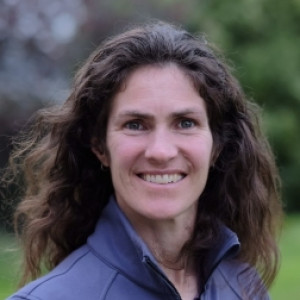
Chief Scientist - Flooding, Extreme Weather and Space Hazards: Emily Lane
Emily has been working in natural hazards and hydrodynamics research for over 20 years. She led a 5-year programme, Mā te Haumaru o te Wai, to develop a national-scale understanding of Aotearoa New Zealand's flood hazard under the current climate and as exacerbated by climate change. She is passionate about ensuring that our modelling and forecasting work leads to more resilient communities. She is also enjoying learning all about space weather.