
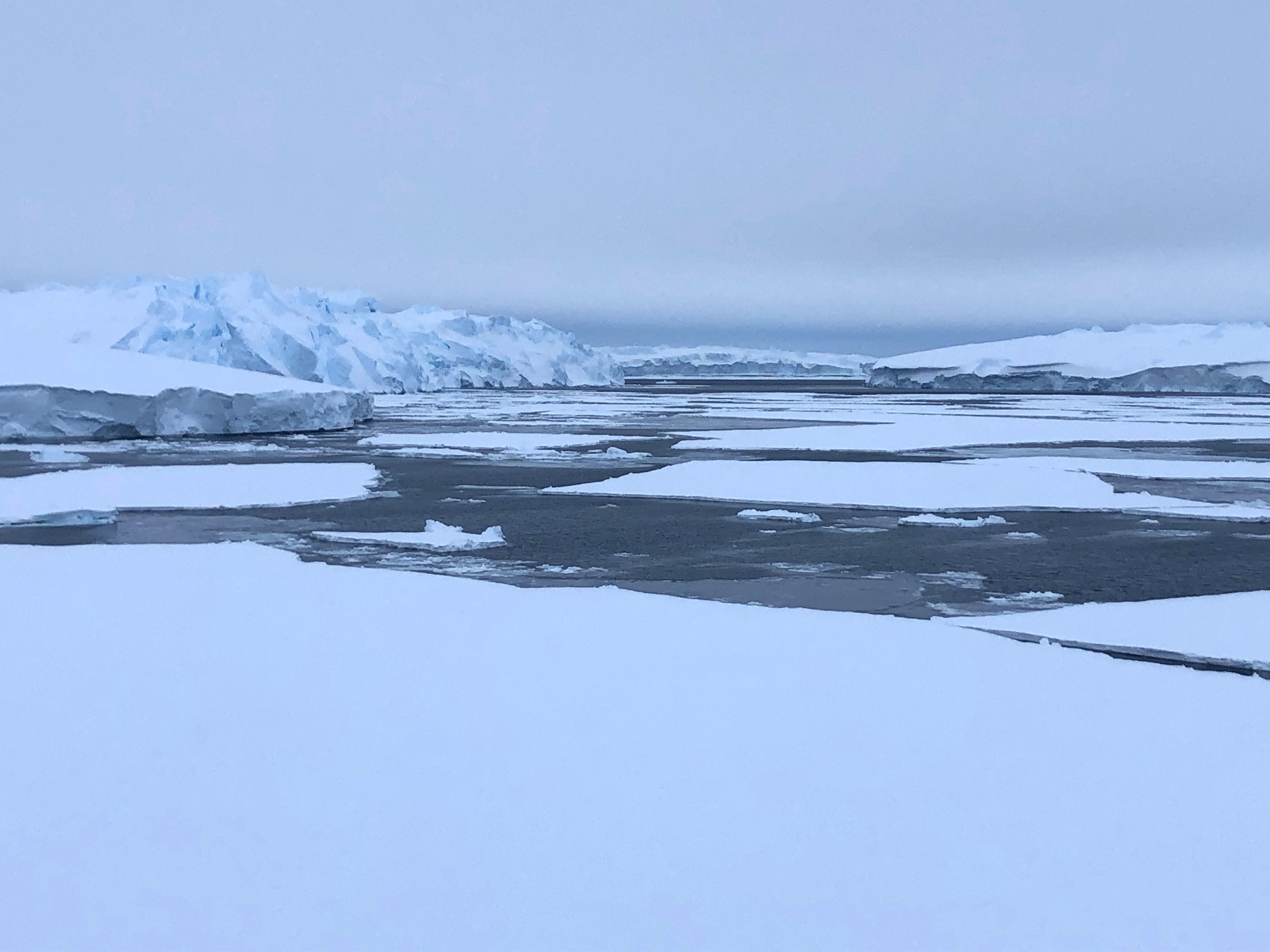
“The Wilkes Subglacial Basin is incredibly important for predicting future sea-level rise, but it’s also largely unexplored. The limited evidence we do have highlights the risk of rapid change as temperatures rise,” said study co-author Professor Nancy Bertler, a climate scientist at Earth Sciences New Zealand andTe Herenga Waka—Victoria University of Wellington.
Piecing together existing data on the region and using computer modelling to predict future changes, the study found retreat of this vast ice-filled basin could result in a sharp increase in meltwater, adding to sea-level rise and potentially disrupting ocean circulation and marine ecosystems.
Signs of change have already been seen. Since the 1990s, the basin’s main glacier—the Cook Glacier—has been thinning at an increasing rate. It currently discharges about 40 billion tonnes of ice each year.
"There is now broad scientific agreement that the basin has the potential to change under future warming, but we still don’t know how quickly change could occur, what climate thresholds may trigger large-scale retreat, and how much the basin may ultimately contribute to future sea-level rise."
Professor Nancy Bertler, climate scientist Earth Sciences New Zealand
Lead author Professor Matt King from the University of Tasmania says these gaps in knowledge need to be urgently addressed.
"The Wilkes Subglacial Basin is arguably the last unexplored place in Antarctica. No ship has ever been within 150 kilometres of the front of Cook Glacier. If we can understand this region and project its future better, we’ll be more prepared for future sea-level rise both here in the Pacific and globally," says Professor King.
Risk of runaway retreat
The landscape hidden beneath the Wilkes Subglacial Basin is of major interest to scientists.
“The basin itself sits on bedrock that gets deeper inland, a feature that can lead to accelerating retreat as warmer seawater comes into contact with the ice and starts melting it from below. When this melting reaches a tipping point, the ice sheet can quickly become unstable,” says Professor Nick Golledge, an ice sheet modelling expert from Victoria University.
This phenomenon has been the focus of attention in parts of West Antarctica, where scientific efforts have largely been concentrated. It’s only recently been recognised that regions of East Antarctica have similar characteristics.
Clues to how the basin may change as the climate warms lie buried in marine sediment records from previous warm periods in Earth's history.
“Together, these sediment records and modelling studies indicate parts of this basin previously underwent substantial retreat when the Earth was warmer. The evidence points to a clear need to find out more about how this region will change as the climate warms,” says Professor Rob McKay, director of Victoria University’s Antarctic Research Centre.
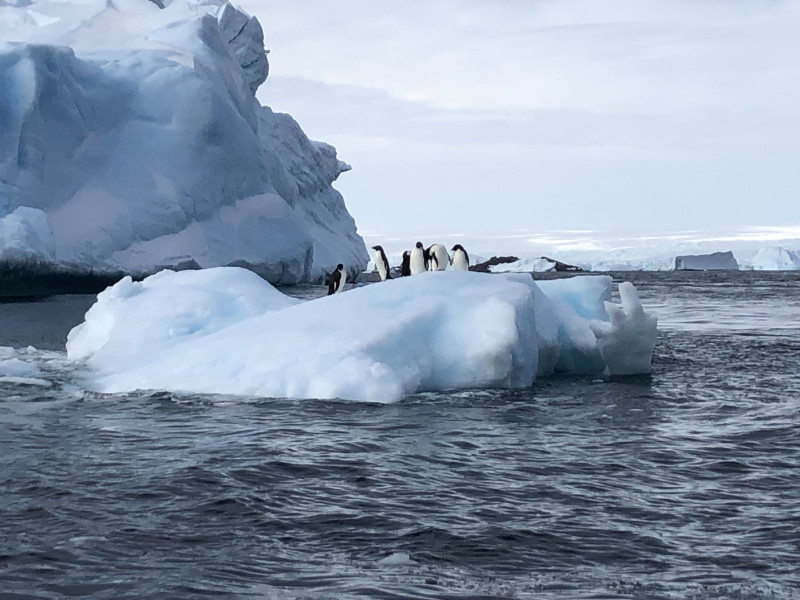
Icebergs near Dumont d'Urville Station. Mapping the seafloor is one of the research priorities. Photo: Johan Etourneau